Create your custom sustainability policy in minutes — free for a limited time
Get Started →Search type
Countries
Fields
Hot Spots
365 Eco Hot Spots
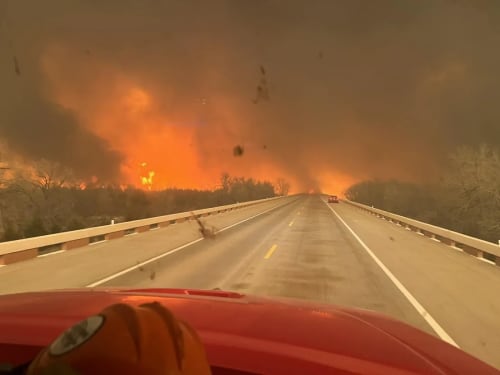
Wildfire in Texas, USA
USA
- #forest fire
last update:
16 hours ago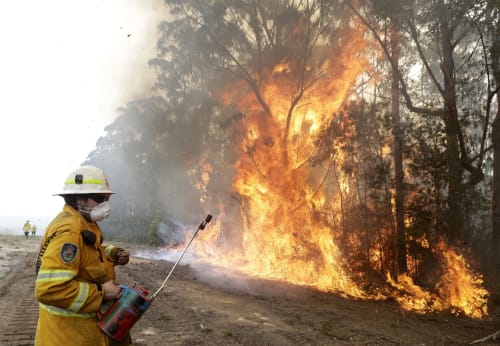
Bushfires in Australia
Australia
- #forest fire
- #air
last update:
2 days ago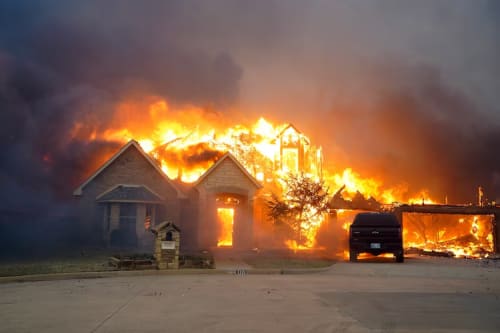
Wildfires in Oklahoma, US
USA
- #forest fire
last update:
4 days ago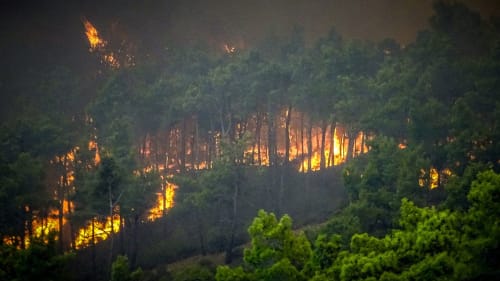
Wildfires in Greece
Greece
- #forest fire
- #climate
last update:
5 days ago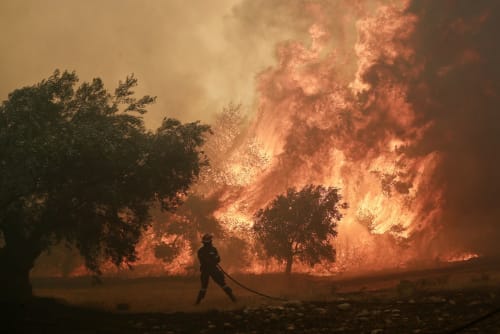
Wildfires in Spain
Spain
- #forest fire
last update:
6 days ago
Contamination with bodies of Russian soldiers, Ukraine
Ukraine
- #military
last update:
6 days ago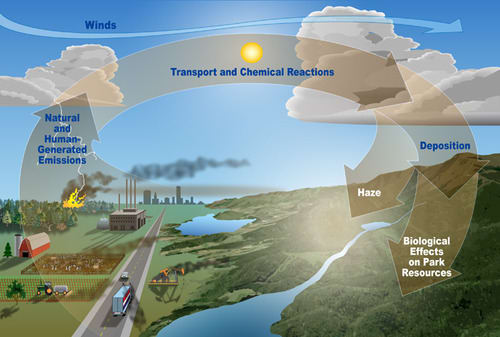
Acid rain in Rocky Mountain National Park
USA
- #chemical pollution
- #air
last update:
6 days ago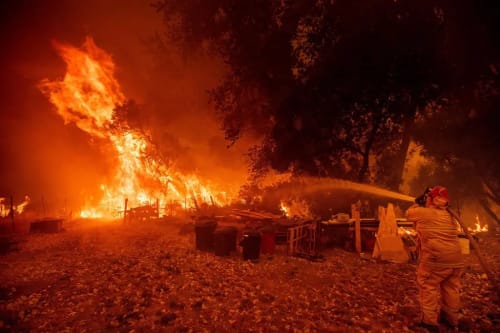
California wildfires
USA
- #forest fire
last update:
last week
Wildfire in Latin America
Mexico, Guatemala, Brazil, Argentina
- #forest fire
last update:
last week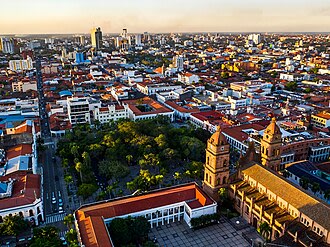
Deforestation in the Eastern Lowlands of Santa Cruz, Bolivia
Bolivia
- #deforestation
- #biodiversity
last update:
last week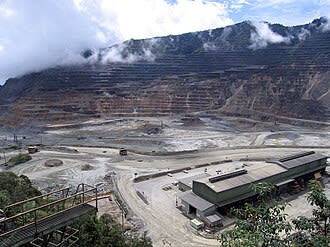
River Pollution and Ecosystem Damage at Ok Tedi Mine, Papua New Guinea
Papua New Guinea
- #mines
- #deforestation
last update:
last week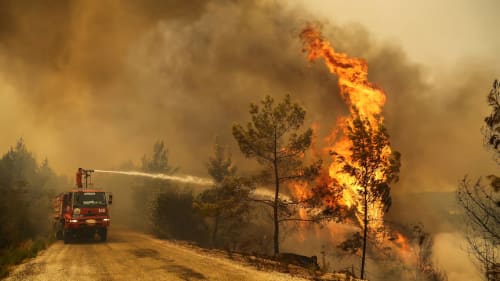
Wildfires in Turkey
Turkey
- #forest fire
- #biodiversity
last update:
last week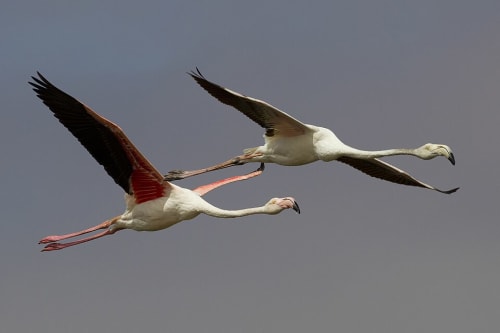
Biodiversity and Industrial Pressures in Walvis Bay, Namibia
Namibia
- #mines
- #ocean
last update:
2 weeks ago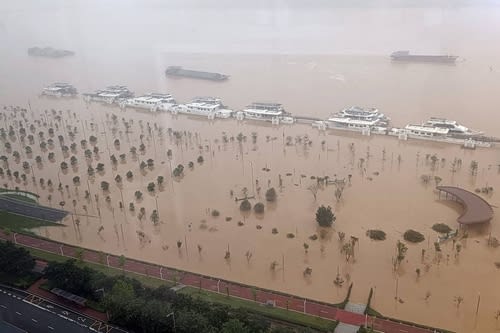
Floods in China
China
- #floods
- #climate
last update:
3 weeks ago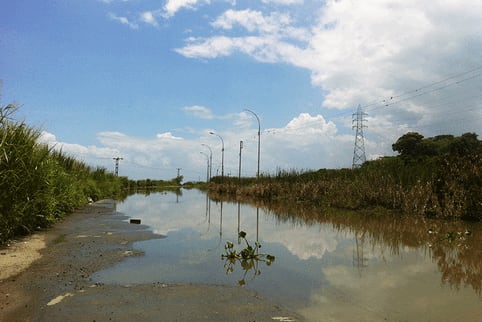
Water pollution in Valencia Lake, Venezuela
Venezuela
- #rivers
last update:
3 weeks ago
Environmental degradation of the Saloum river Estuary, Senegal
Senegal
- #ocean
- #biodiversity
last update:
3 weeks ago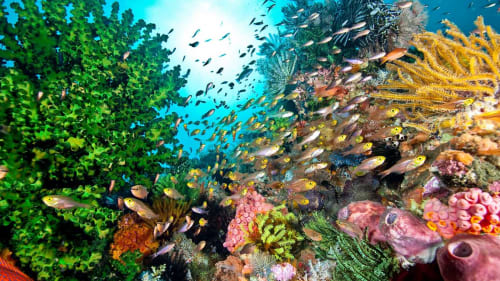
Coral reefs in the Gulf of Guinea are under threat
Equatorial Guinea, Benin, Cameroon, Ghana, Gabon, Cote d'Ivoire, Nigeria, Sao Tome and Principe
- #coral reefs
last update:
4 weeks ago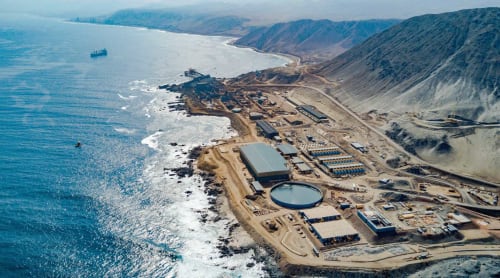
Escondida Mine, Chile
Chile
- #mines
last update:
4 weeks ago
Siberian wildfires
Russian Federation
- #climate
- #forest fire
last update:
4 weeks ago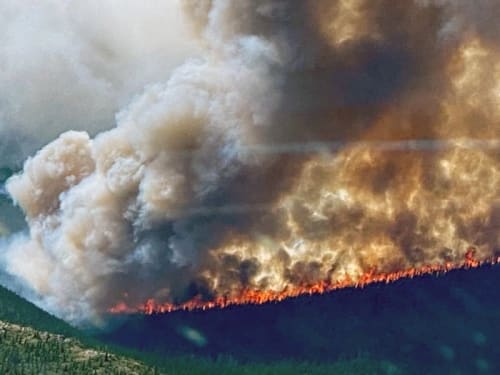
Forest fires in Alaska, USA
USA
- #forest fire
last update:
4 weeks ago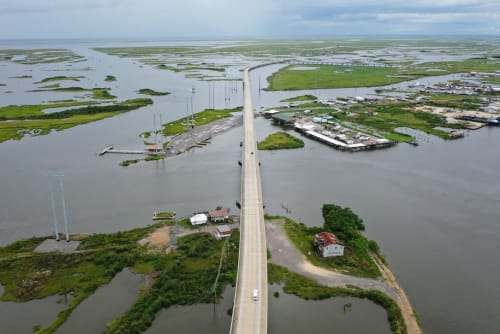
Land subsidence due to groundwater exploitation in Mexico
Mexico
- #land subsidence
last update:
last month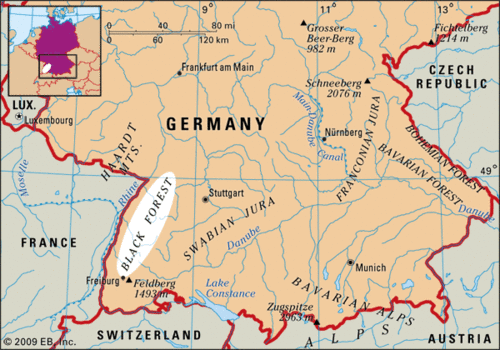
Acid Rain in the Black Forest in southwestern Germany
Germany
- #chemical pollution
- #air
last update:
last month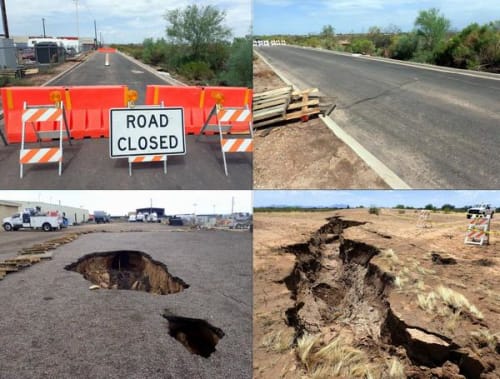
Land subsidence due to groundwater use in US
USA
- #land subsidence
last update:
last month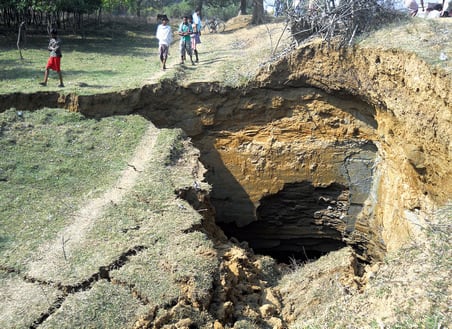
Land subsidence due to groundwater exploitation in India
India
- #land subsidence
last update:
last month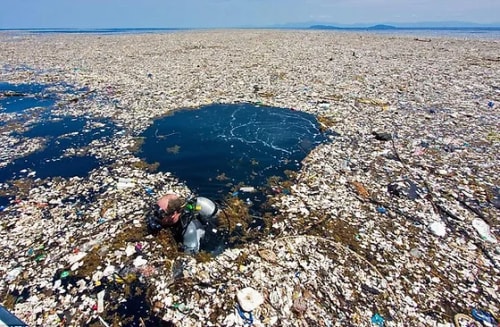
The Great Pacific Garbage Patch
USA
- #climate
- #ocean
last update:
last month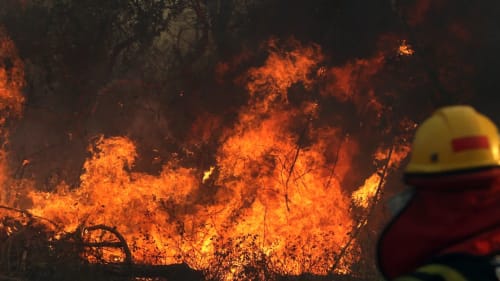
Forest Fires in Bolivia
Bolivia
- #forest fire
last update:
last month
Desertification of Madagascar
Madagascar
- #climate
- #forest fire
last update:
last month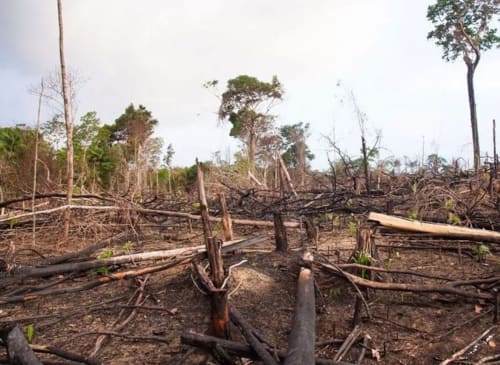
Deforestation jungle in Yucatán, Mexico
Mexico
- #deforestation
- #climate
last update:
last month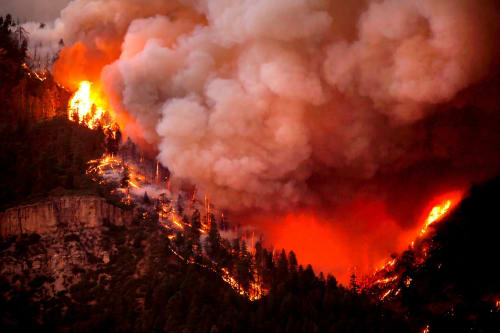
Colorado wildfires
USA
- #forest fire
last update:
last month
Cedar Fire
USA
- #forest fire
last update:
last monthWhat are environmental hot spots?
Environmental hotspots are places where the situation in terms of ecology and natural stability is out of control.
Such hotspots with environmental emergencies require the attention of the public and government organs as soon as possible.
How many ecological hotspots are there in the world?
Almost half of the people on our planet are acutely aware of the dire consequences of environmental hotspots. This is manifested in increased air pollution, poor quality of drinking water, pollution of water bodies, land, etc.

Air pollution affects not only humans, but also animals and plants. It poses a threat to human health and causes great economic damage.

Therefore, the problem of environmental hotspots becomes more urgent day by day.

For example, as glaciers in the oceans melt, methane is released, which has been hidden in them for millions of years in the form of frozen plants. If all the glaciers of Greenland with a volume of 2.3 cubic kilometers melt, the level of the world's oceans will rise. It is not yet known how long it will take for the world's second-largest ice sheet to melt, but the worst part is that the largest glacier - Antarctica - has already begun to melt.

Nitrogen oxides, sulfur, and various acids falling with rain and snow cause irreparable damage to forests and water bodies; thousands of lakes in Canada, the USA, and Northern Europe have been acidified over the past decades.

In almost all European countries, the extinction of forests is rapidly progressing, due to air pollution and acid rain. The forests in Germany and Great Britain were badly damaged, and in the Czech Republic, 71% of the forests were damaged. These forests are dying out, and in fact, along with the forest, all the fauna and flora associated with it also die out.
   The greenery of the planet is declining mainly due to intensive timber harvesting, clearing of forest areas for agricultural land, fires, and, of course, as a result of environmental pollution.

That’s why it is crucial to track every environmental hotspot and not let it grow in size and impact on the population.
How to find organizations that oversee the environment hotspot
In recent years, huge amounts of hazardous waste have entered the Earth's atmosphere. Industry and fuel companies destroy natural resources, cut down forests, and release deadly substances into the atmosphere.

All this causes the emergence of new ecological hotspots. Some of them are large-scale. There are even those that cover almost entire surface rivers and lakes, not to mention forests and parks. At the same time, we can encounter small polluted areas which also need our intervention. It takes a few years for a tiny ecological hotspot to grow into a polluted whale.

The majority of environmental hot spots can be found in our catalog. Every day we are trying to find new ones and update info regarding the existing areas.
Why the problem of environmental hotspots needs to be solved immediately
All the eco-organizations that take care of environmental problems can be found on our Hotspots page. There we list environmental issues and help people interested in green initiatives take part in them.